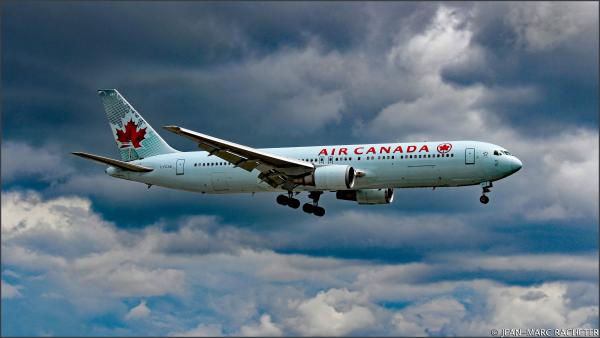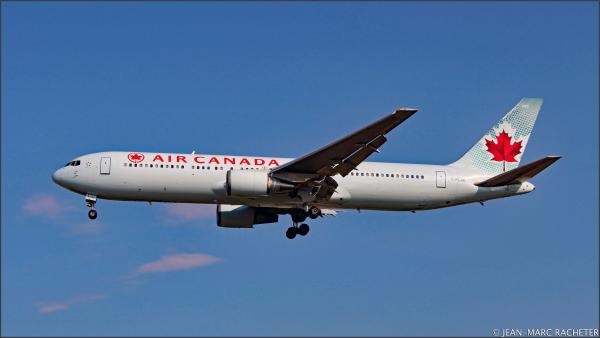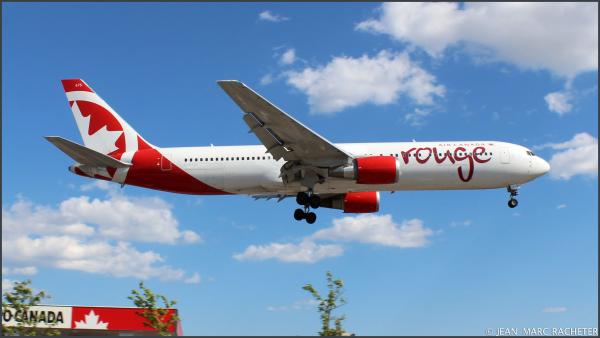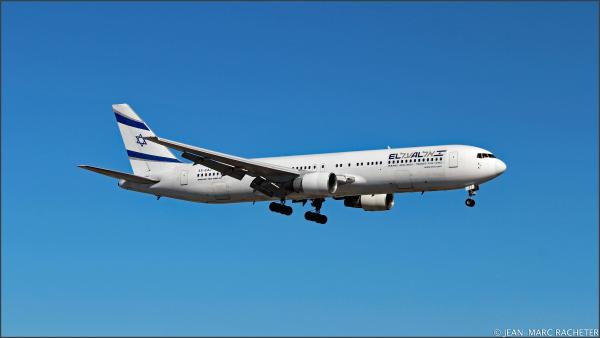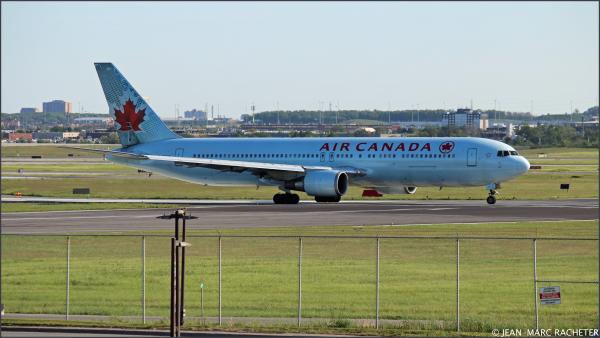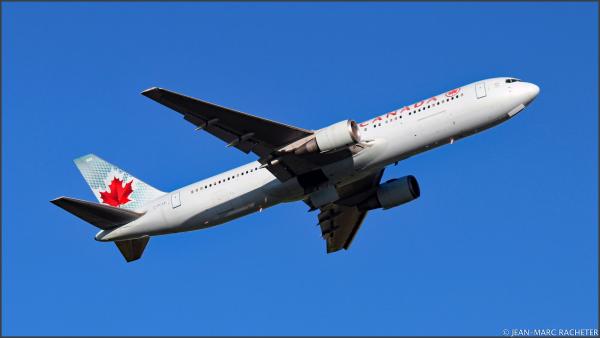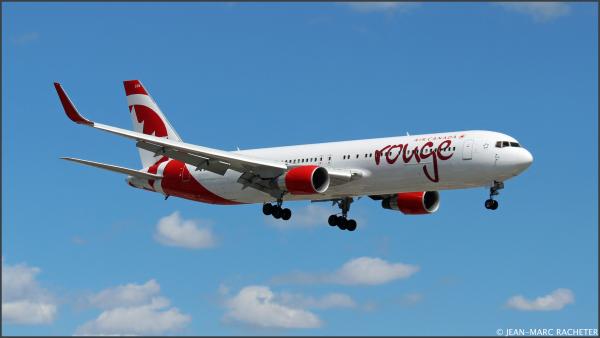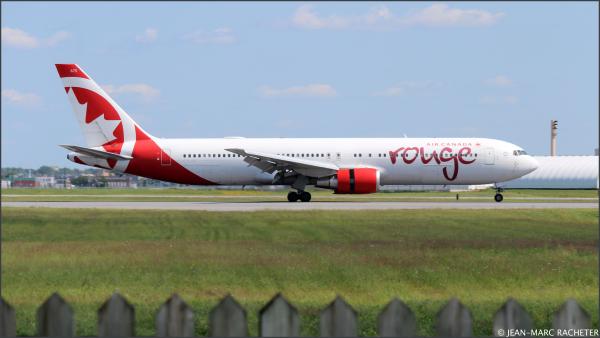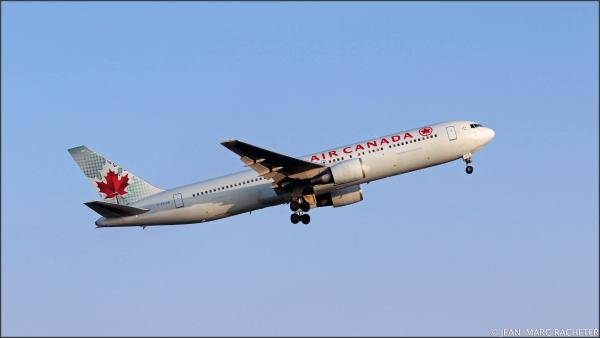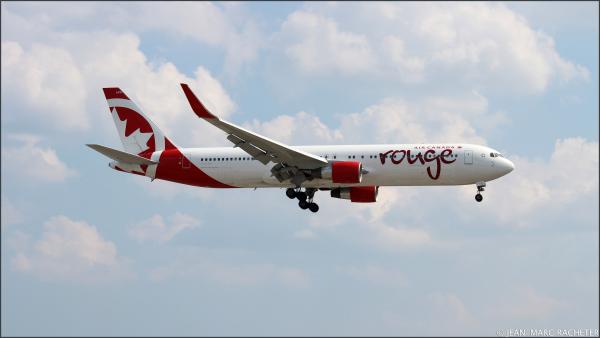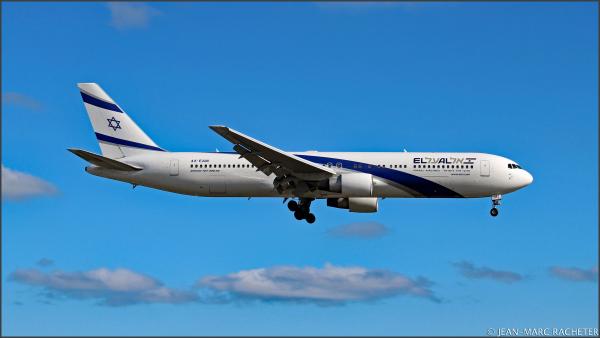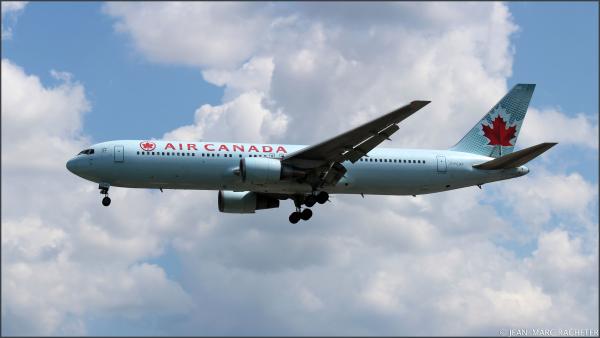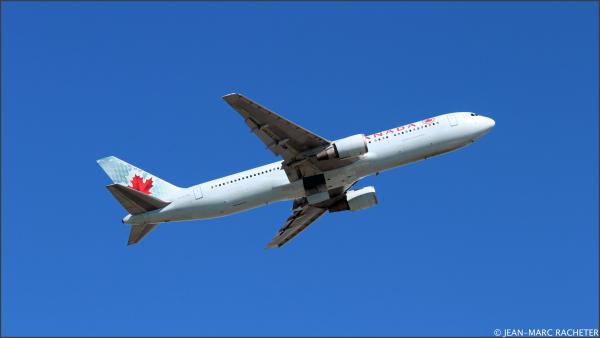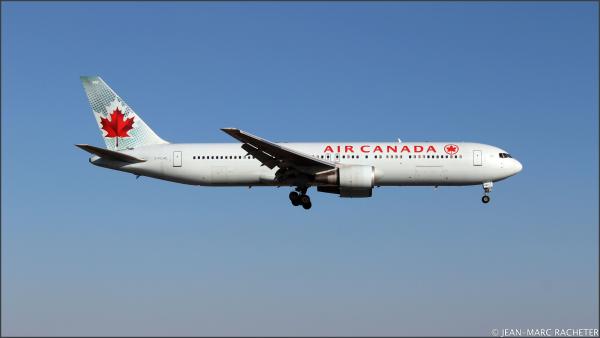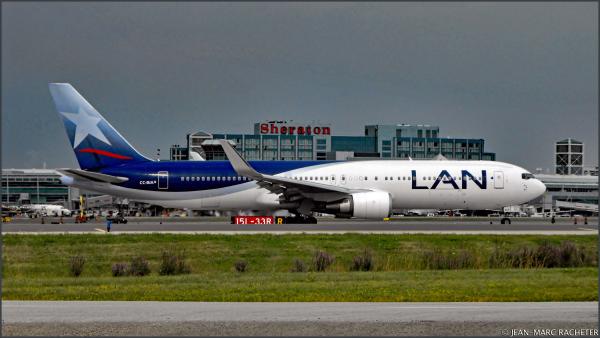
The Boeing 767-300 is a wide-body aircraft and a stretched variant of the 767 family; the (ER) or Extend Range is a further variant of the 767-300 variant. The (ER) version has extended range via the installation of additional fuel tanks and even has more range than its sister variant, the Boeing 767-200(ER). The 767-300 is the second passenger variant and first stretched variation of the Boeing 767 family. The 767-300 has more seating capacity then the 767-200 however it sacrifices range for that benefit. Due to that handicap, the 767-300 saw limited success and was quickly outdone by the Boeing 767-300(ER) which had the same seating capacity but increased & more useful range. The Boeing 767-300(ER) found it's success at flying routes where larger, long-range, multi-engine aircraft, would not be economical and was the forerunner to the Airbus A330 and the Boeing 777 for long-haul, twin-engine flying. The Boeing 767-300 and 767-300(ER) are no longer in production and were designed to fly medium to long-haul routes with medium to heavy demand.
Boeing 767-300
| First Flight | Max Range | Length | Wingspan | Height | Engine Options | Seating |
|---|---|---|---|---|---|---|
|
January 30, 1986
December 9, 1986 |
~4,000nm
~6,100nm |
180'-3"
180'-3" |
156'-1"
156'-1" |
52'-7"
52'-7" |
(2) General Electric CF6-80 or, (2) General Electric CF6-80 or, |
210 (3-Class)
210 (3-Class) |