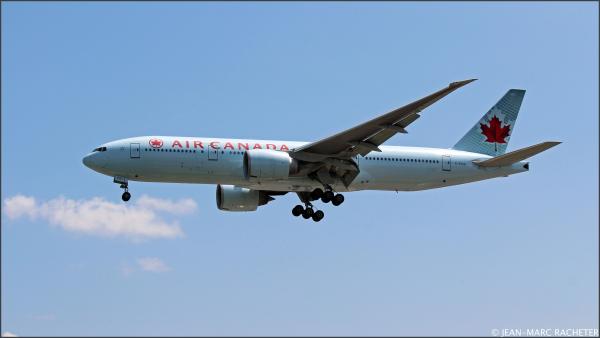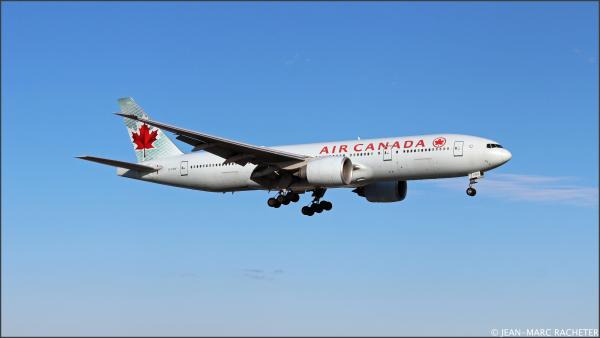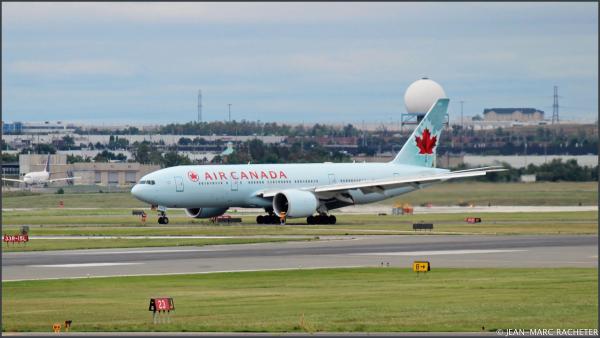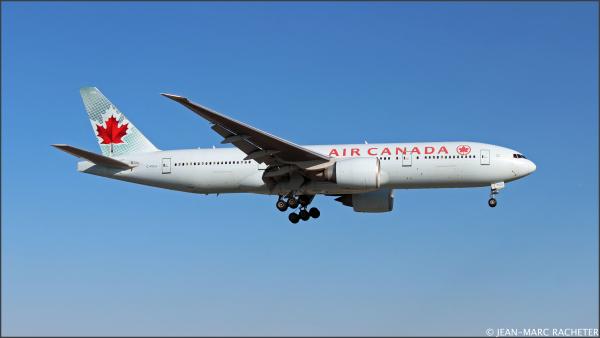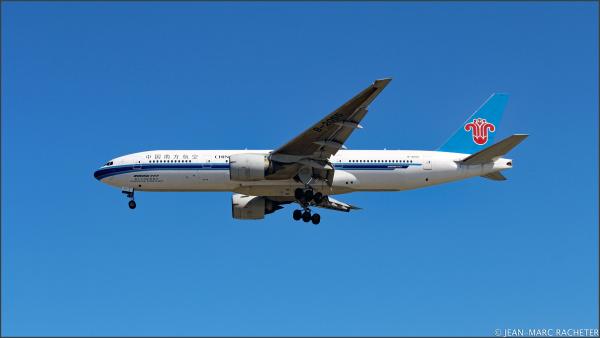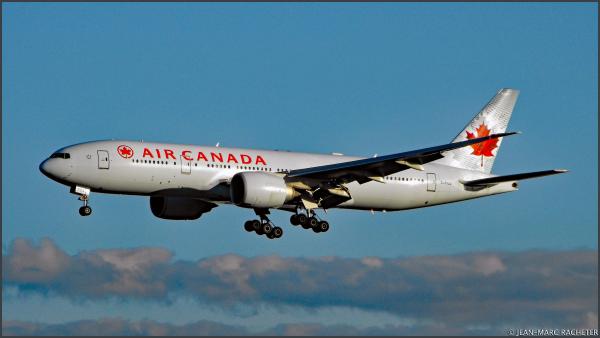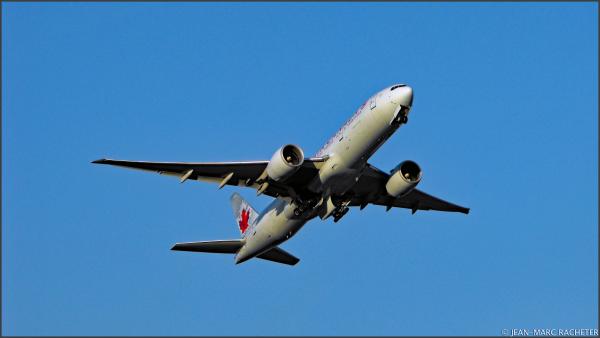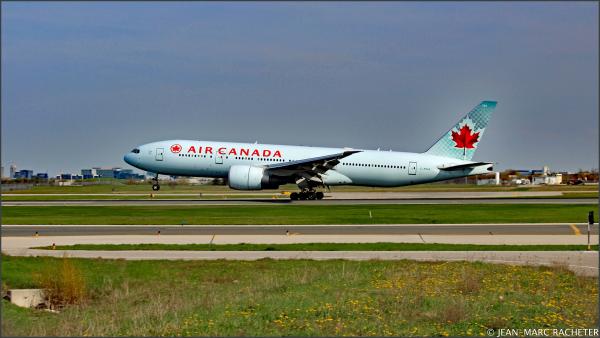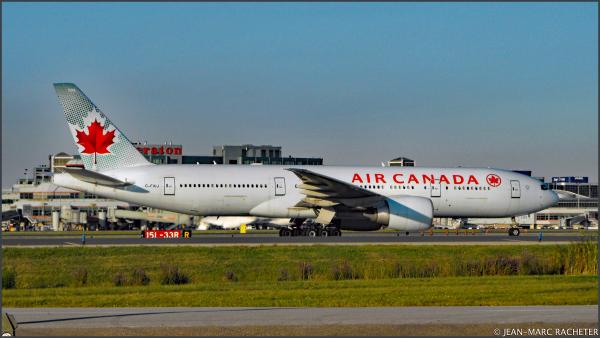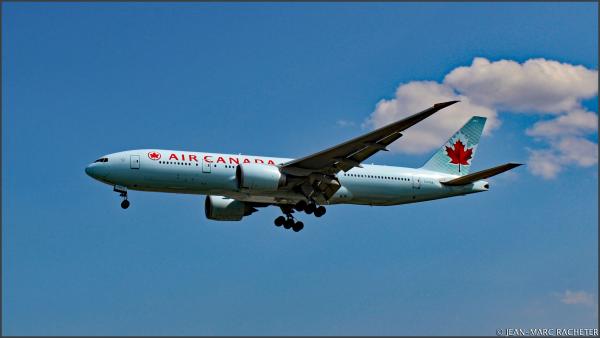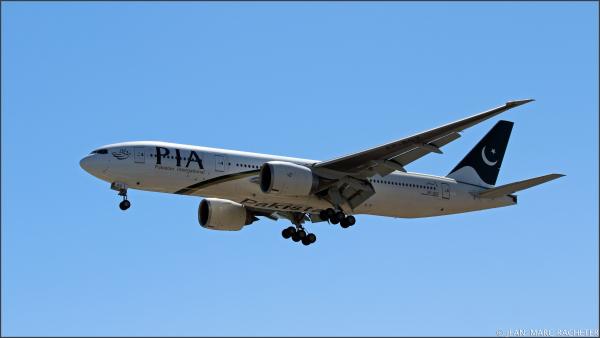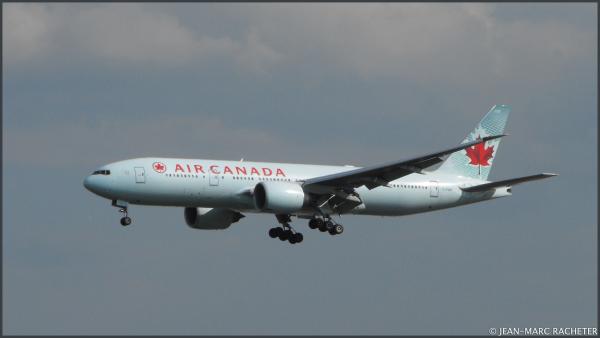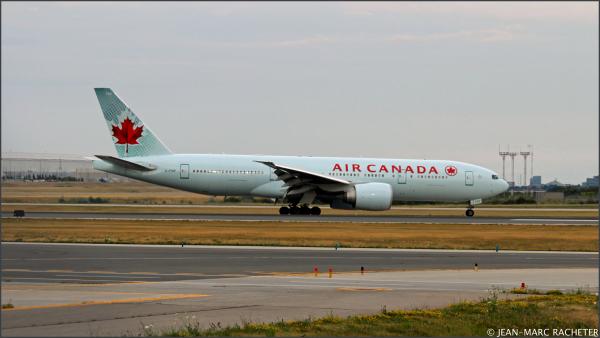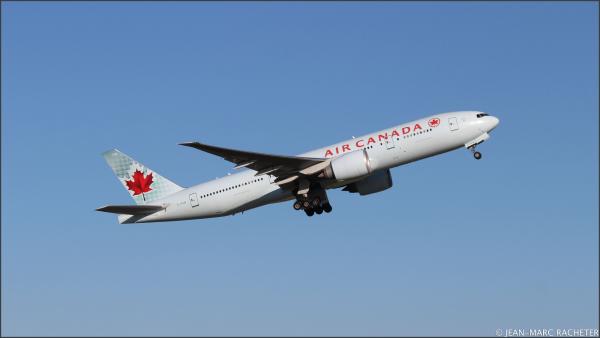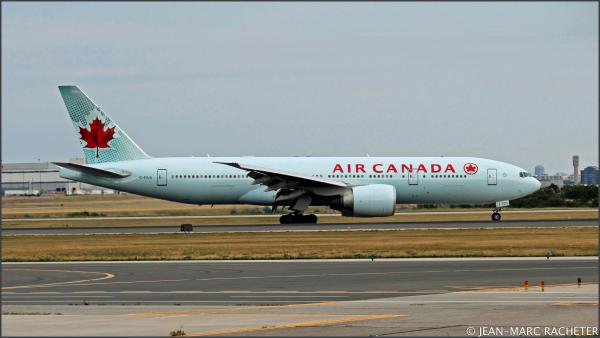
The Boeing 777-200 is a wide-body aircraft and the original variant of the 777 family. The 777-200 has the lowest range and seat capacity of all the variants, but like the other variants, the 777-200 is one of the largest twin-engine aircraft ever designed & built. The 777-200 gives airlines close to the capacity of a Boeing 747 with the performance of a Boeing 767 making it an ideal part of any long-haul fleet. The 777-200 flies medium to long haul routes with medium to heavy demand and is no longer in production.
The Boeing 777-200(ER) is an extended range variant of the 777-200. The 777-200(ER) is identical in shape and size to the 777-200 except that it is equipped with additional fuel tanks to allow the aircraft to either fly farther with more passengers & cargo giving airlines the ability to improve their long-haul fleet offering by allowing them to fly to further destinations. While the 777-200(ER) replaced the older 777-200, it too is starting to be replaced with more modern long-range airliners and is no longer in production and typically flies long haul routes with medium to heavy demand.
The Boeing 777-200(LR) (Long Range) is an extra-extended range variant of the Boeing 777-200. The 777-200(LR) is not identical to the original 777-200 as the aircraft boasts a longer wingspan and is specifically designed for ultra-long range travel with even more additional fuel tanks. The 777-200(LR) gives airlines the ability to fly half way across the world without the need to stop for fuel while carrying a good amount of passengers and cargo. The design and success of the Boeing 787-8 and 787-9 have eroded the appeal and benefits of the 777-200(LR) as they boast similar capabilities with even more efficiencies. Only 59 examples of the 777-200(LR) were produced as it's no longer in production, flying long to ultra-long haul routes with medium to heavy demand.